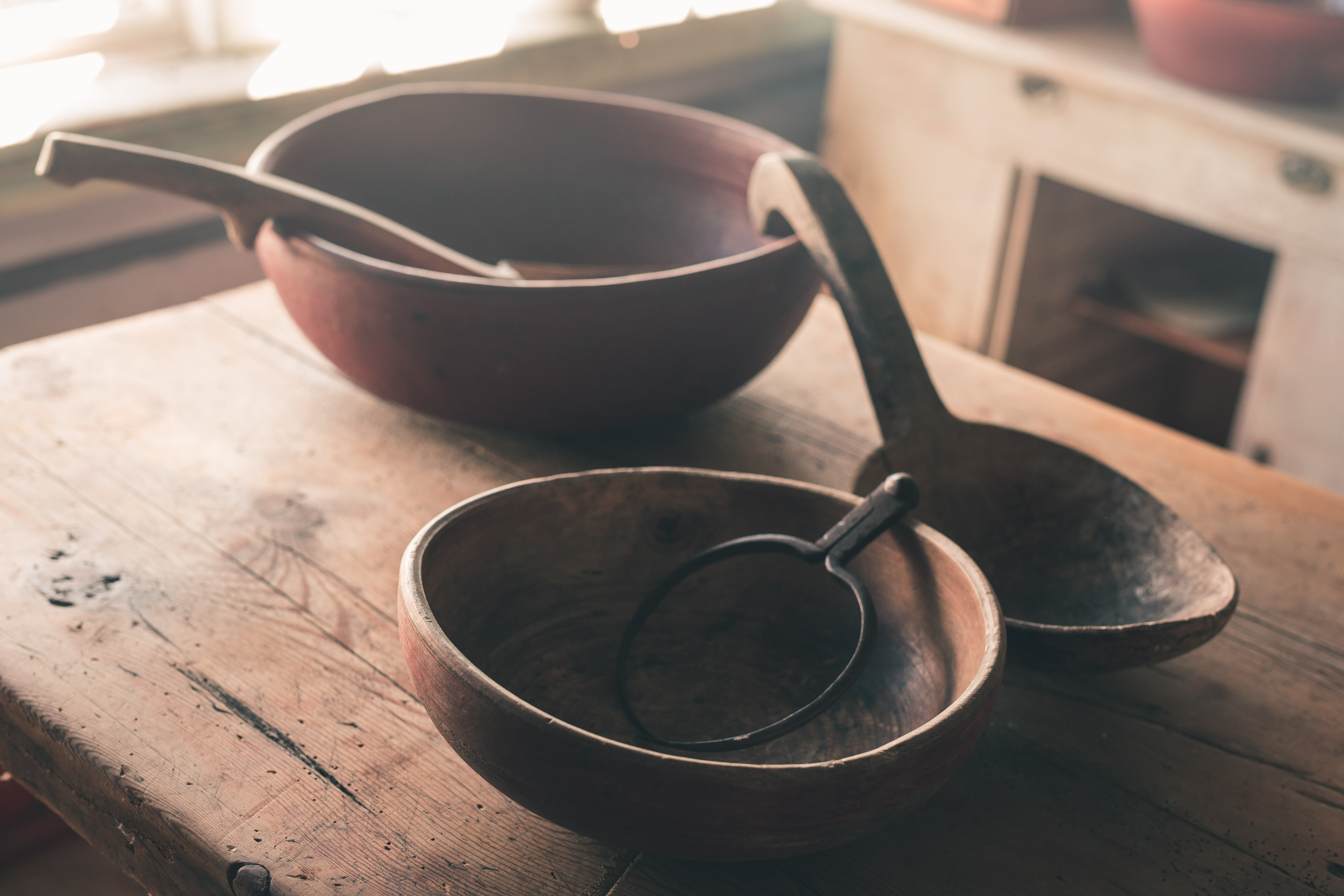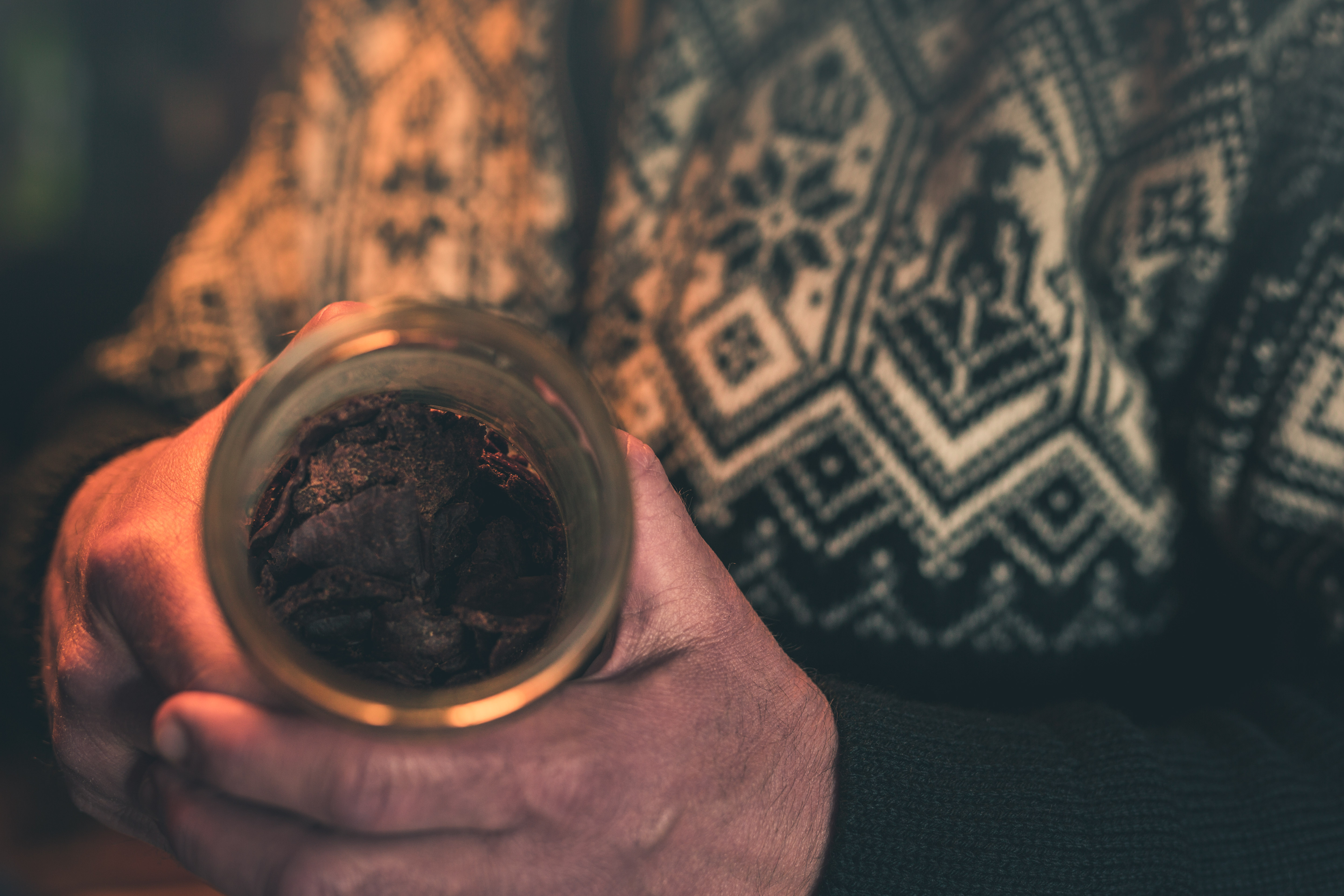
In the dialects of western Norway, kveik means yeast. It is the culture a farm or a household carried from one brew to the next, and from one generation to the next. Each one is multi-strain, which means several yeast types living side by side rather than a single isolate. Only 25 to 30 cultures are documented as genuine kveik. Genetically they form their own sub-family of Saccharomyces cerevisiae, a sister group to modern brewing yeast. While it’s difficult to date how old the different Kveik cultures are, we know that brewing traditions in Norway dates to the Gulating Law. The Gulating law was written in the 12th century and obliged every farm in Norway to brew ale for Christmas.
Everything brewers like about kveik is what farm life demanded of it. There was no cooling on a farm, so kveik ferments hot, happily between 30 and 42 °C. There was no reason to wait, so it ferments fast, often finishing in one to three days. Kveik gives you fruit flavour like pineapple, mango, apple and citrus peel, and it’s usually free from off-flavours like fusel, phenols and diacetyl. Brewers now use it far beyond farmhouse ale,from hazy IPA and pale ale to strong ales, clean crisp beers at the cooler end of its range, cider, mead and distilling wash.
In a brewery that means two things worth money: tank turnaround measured in days rather than weeks, and fermentation that does not depend on glycol.
In Short
- Kveik is Norwegian farmhouse yeast, kept on farms in western Norway and found nowhere else.
- Every kveik is a multi-strain culture of Saccharomyces cerevisiae, several yeasts working together rather than a single isolate.
- Genetically it is its own sub-family, a sister group to modern brewing yeast that branched off before it.
- Only 25 to 30 cultures are documented as genuine kveik.
- It ferments hot, from 30 to 42 °C.
- It ferments fast, often finishing in one to three days instead of a week.
- It gives fruit rather than off-flavours: esters at high temperature, with no phenolics and no fusel harshness.
- It is not limited to farmhouse ale. Brewers use it for IPA, pale ale, strong ale,clean crisp beers, cider, mead and distilling wash.
Sources:Garshol, farmhouse yeast registry and Historical Brewing Techniques (2020);Preiss et al., Frontiers in Microbiology 9 (2018); Gulatingslova, Store norskeleksikon.